Lambeth Council tree pruning rules for Stockwell gardeners
Posted on 26/10/2026
If you garden in Stockwell, tree pruning can feel simple right up until a branch crosses a boundary, shades a neighbour's patio, or looks like it might be protected. That is where Lambeth Council tree pruning rules for Stockwell gardeners matter. The basics are straightforward, but the consequences of getting them wrong can be messy: complaints, damaged trees, and in some cases the need to undo work that should never have been done in the first place.
This guide breaks the subject down in plain English. You will learn how the rules usually work, what to check before cutting, when a tree may need formal permission or extra care, and how to prune in a way that keeps the tree healthy. If you also want a greener, tidier garden overall, it may help to think of pruning as part of a bigger seasonal plan, much like the advice in our sustainable gardening practices guide.
Let's face it: most gardeners do not want a lecture. They want to know, "Can I cut this back, and how much trouble will it cause?" Fair question. The short answer is that pruning is often allowed, but there are important limits around tree protection, neighbour boundaries, nesting birds, safety, and responsible arboricultural practice. This article gives you the practical version.
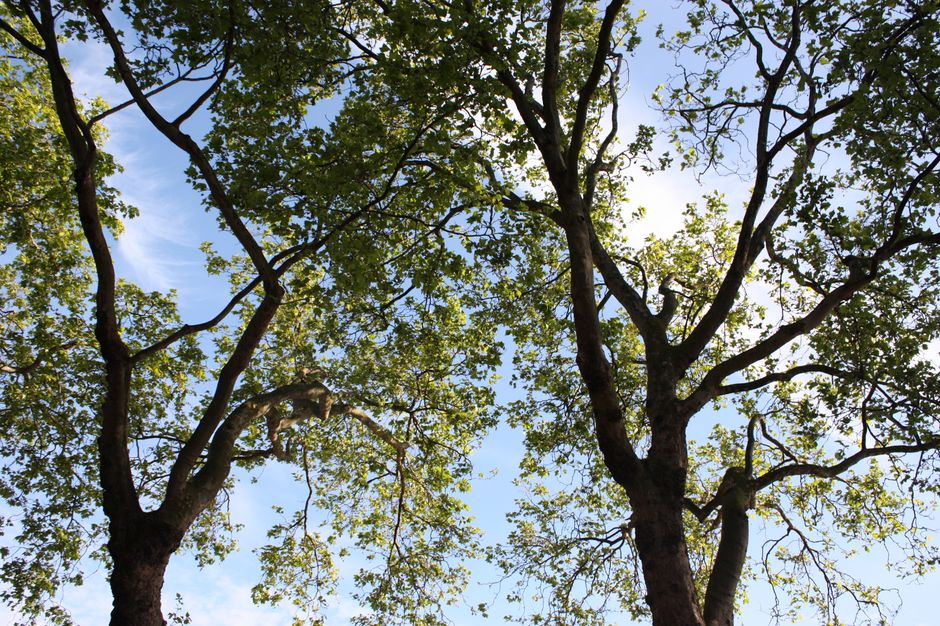
Why Lambeth Council tree pruning rules for Stockwell gardeners matter
Tree pruning is one of those jobs that looks harmless from the garden gate. In reality, it sits at the intersection of property care, public safety, neighbour relations, and tree health. In Stockwell, where gardens can be compact, boundaries close, and mature trees often shared visually between properties, the rules are there to stop well-meaning trimming from becoming avoidable damage.
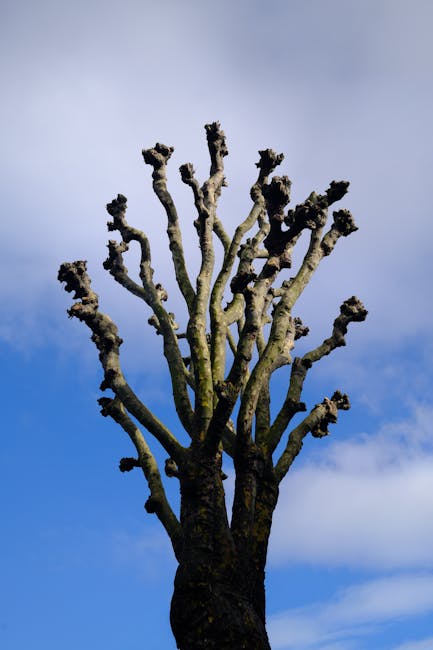
The biggest reason this matters is that trees do not respond well to random cutting. A bad cut can invite decay, create weak regrowth, or spoil the shape of the canopy for years. A tree that has been "topped" or hacked back too hard can look tidy for a month or two, then become a maintenance headache. You may notice this especially after a windy spell when heavy regrowth begins to whip around and rub against itself. It is not a great look.
There is also a legal and practical side. Some trees may be protected, some may sit within conservation-sensitive settings, and some work may fall under general tree-preservation expectations even if the tree is in your own garden. Neighbour disputes are another common trigger. People tend to mind the first overhanging branch only once the shade reaches their tomato pots, but once the work is rushed, things can get awkward quickly.
For Stockwell gardeners, the broader lesson is simple: prune with purpose. Think about airflow, light, structure, and future growth, not just immediate appearance. A well-managed tree helps the rest of the garden too, from borders and lawn condition to patio use and seating areas. If you are redesigning around a canopy tree, our piece on garden makeover planning can help you think beyond the cut itself.
Practical takeaway: the rules are not there to stop you gardening. They are there to help you prune safely, legally, and in a way that keeps trees worth having.
How Lambeth Council tree pruning rules for Stockwell gardeners works
The process usually starts with one question: what kind of tree is it, and where is it growing? That sounds obvious, but it is the hinge everything else turns on. A small ornamental tree in a private rear garden is very different from a mature street-facing tree, a boundary tree, or a tree that may be protected by planning controls or site-specific restrictions.
In practical terms, gardeners in Stockwell should treat tree pruning as a sequence of checks rather than a single decision. First, identify whether the tree is owned, shared, or affected by any local protection. Second, assess the purpose of the work. Are you removing dead wood, lifting the crown for clearance, reducing weight, improving shape, or dealing with interference? Third, decide whether the job is within normal garden maintenance or whether it needs a qualified tree specialist.
That last point matters more than people think. A few light cuts on a young shrub-like tree are one thing. Cutting major limbs from a mature tree is another entirely. Even if you are only removing a branch or two, the tree's response can be unpredictable if the cuts are too large or placed badly. In our experience, the most common issues come from overconfidence rather than bad intent.
There is also timing. Many gardeners choose late winter or early spring for shaping work, but timing should always be balanced against the tree species, weather, and wildlife considerations. For example, nesting birds can change the picture completely. If there is active nesting, you should leave the tree alone until the situation is clear. No one enjoys being the person who trimmed the branch with a nest in it. Nobody.
Another important part of how the rules work is boundary responsibility. If branches overhang into your garden, you may be able to cut them back to the boundary line, but only if you do it carefully and without trespassing or causing avoidable harm. When in doubt, a calm conversation with the neighbour before any work starts saves a lot of pain later.
For hedges, screens, and boundary planting, the principles overlap with careful pruning. If your garden also needs regular shaping, our hedge trimming Stockwell page is a useful companion resource for keeping growth under control without overcutting.
Key benefits and practical advantages
Following the right pruning approach is not just about avoiding trouble. It genuinely improves a garden.
- Healthier trees: sensible cuts reduce stress, support better airflow, and remove weak or dead growth before it causes problems.
- Better light: pruning can lift a canopy enough to help lawns, beds, and seating areas feel less gloomy.
- Safer access: removing low or interfering branches can make paths, driveways, and sheds easier to use.
- Cleaner boundaries: a tidy canopy helps keep overgrowth from spilling into neighbouring spaces.
- Reduced storm damage risk: lighter, well-balanced crowns usually cope better in wind than dense, lopsided growth.
- Better garden design: pruning can reveal views, improve shape, and make smaller Stockwell gardens feel more open.
There is a subtle point here. Good pruning does not just remove growth; it reveals structure. Once you can see the bones of the garden, you can make better decisions about planting, patios, lawn layout, and even where to position seating. If you are also improving shade or borders, the article on UK ground covers offers ideas that work well once trees are sensibly lifted and light reaches the ground.
Another benefit is long-term cost control. Trees that are managed regularly are often easier and cheaper to maintain than trees left to become oversized and awkward. That is not a guarantee, of course, but it is a pattern many homeowners learn the hard way.
Who this is for and when it makes sense
This topic is relevant to more people than you might expect. It is not only for seasoned gardeners with a pair of heavy-duty secateurs hanging in the shed. It applies to anyone dealing with trees in a London garden.
- Home gardeners who want to keep trees neat without causing damage.
- Tenants or landlords who need to understand what is reasonable and what should be handled professionally.
- Flat owners with communal or visible boundary planting where tree work may need extra care and agreement.
- People planning a garden refresh who need to work around existing tree cover.
- Households concerned about shade, leaf fall, or access around patios, paths, or lawns.
- Anyone unsure whether a tree is protected and wants to avoid a costly mistake.
It makes sense to pause and review the rules before you prune if the tree is mature, close to a boundary, visibly significant, or in a part of the garden that has any planning sensitivity. It also makes sense if the work is more than light shaping. If the job starts to feel less like gardening and more like tree surgery, that feeling is usually telling you something useful.
For projects that go beyond routine tidying, specialist help is often the sensible route. You can see how that sits alongside broader care through our tree surgery Stockwell service information, especially if safety or structural pruning is involved.
Step-by-step guidance
If you want a practical way to approach pruning without overthinking it, use this sequence.
- Identify the tree. Note the species if you can, its size, location, and whether it is in your garden or on a boundary.
- Check for protection or sensitivity. Look at whether the tree seems unusually significant, mature, or part of a shared landscape. If it might be protected, stop and verify before cutting.
- Define the purpose. Are you removing dead wood, reducing shade, improving clearance, or shaping for appearance?
- Inspect for wildlife activity. If you see a nest or signs of active nesting, do not proceed.
- Plan the cut line. Keep work modest and directional. Do not strip the tree for the sake of convenience.
- Use the right tools. Clean, sharp tools make cleaner cuts and are much kinder to the plant.
- Cut in stages. Step back after each section. It is amazing how often the tree looks different from a few metres away.
- Dispose of debris properly. Stack branches safely and clear cuttings so they do not create trips or block drainage.
- Review the result a week later. Sometimes the best judgment comes after you have lived with the shape for a few days.
One small but useful habit: take a quick photo before you start. It gives you a reference point if you are balancing light, shape, or clearance, and it helps stop the classic "I thought I only took a little off" moment. We have all been there.
If you need help choosing the right implements for the job, have a look at tool selection for outdoor gardening. Good tools do not make the rules disappear, but they make compliance far easier to achieve.
Expert tips for better results
Here is where experience really helps. A few thoughtful habits will save time and keep your trees healthier.
- Prune with the tree's shape in mind. Follow its natural habit rather than forcing a shape it clearly does not want.
- Remove small problems early. Dead, damaged, or rubbing branches are easier to deal with before they become larger structural issues.
- Aim for clean cuts. Ragged cuts are slower to recover and can look untidy for longer.
- Think about the next season. A cut that looks fine in March may become a shade issue by August.
- Work in dry conditions where possible. It is not always possible in London weather, but dry cuts are easier to control.
- Keep prunings modest around wildlife habitat. Thick cover can support birds and insects, so do not remove more than you need.
Another tip that often gets overlooked is to balance pruning with what you plant underneath or around the tree. If the canopy opens up, you may need a tougher underplanting plan to avoid bare soil. This is where low-maintenance planting can help, especially if you want the space to feel intentional rather than exposed. The advice in budget-savvy, low-care gardening ideas works well here.
And if your pruning is part of preparing for seasonal weather, it is worth pairing it with broader protection. Our guide on weatherproofing your garden can help you think about wind, rain, and how a pruned tree changes the garden's microclimate.
Common mistakes to avoid
Most pruning problems come from a short list of errors. The good news is that they are avoidable.
- Cutting too much at once. Heavy reductions stress the tree and often trigger weak regrowth.
- Ignoring protected or sensitive trees. Guessing is not a strategy. It tends to become an expensive one.
- Pruning at the wrong time. Timing matters for tree health and for wildlife.
- Using blunt tools. Blunt blades crush tissue rather than cut it cleanly.
- Leaving stubs. Poor cut placement can lead to decay or ugly regrowth.
- Trying to "fix" a tree in one go. Some issues need a phased plan over more than one season.
- Forgetting the neighbour angle. Even if you are technically in the right, communication avoids unnecessary conflict.
The last one is more human than horticultural, but it matters. A quick chat over the fence often does more for your garden than a whole afternoon with the loppers. If you are adjusting visibility or privacy at the same time, our article on fast-growing hedges is useful for planning future screening rather than relying on over-pruning.
Tools, resources and recommendations
You do not need a van full of equipment to prune responsibly, but the right basics help a lot.
- Secateurs: for small stems and precise cuts.
- Loppers: for thicker branches that are still manageable by hand.
- Pruning saw: for woody stems where secateurs are too small.
- Gloves and eye protection: simple, practical, and worth it.
- Clean cloth or disinfectant for tools: helpful when moving between plants, especially if anything looks diseased.
- Stepladder with care: only if you are stable and confident; otherwise, leave higher work to professionals.
On the resource side, the most useful "tool" is often knowledge. Knowing the difference between formative pruning, maintenance pruning, reduction, and removal keeps decisions sane. If you are building a low-maintenance landscape around existing trees, you may also find inspiration in vertical gardening ideas and shade-loving climbers when the canopy changes the light conditions.
When a tree is large, awkward, near cables, or structurally uncertain, the honest recommendation is to stop. That is not hesitation; it is common sense. A professional approach through a properly insured team gives you a safer outcome and a clearer record of what was done.
Law, compliance, standards, or best practice
Pruning in Lambeth is not just about what looks tidy. Best practice in the UK generally means respecting tree protection, avoiding unnecessary damage, and taking wildlife and safety seriously. The exact controls that apply can vary by location and tree status, so gardeners should not assume every tree in a private garden is freely prunable in any way they like.
A cautious, compliant approach usually includes the following principles:
- Check before cutting if the tree is mature, prominent, or near a boundary.
- Do not disturb active nests or obvious wildlife activity.
- Keep records of what work you have done if the tree is shared or contentious.
- Use competent help for larger or riskier work.
- Follow good arboricultural practice rather than relying on "what usually works."
If you are unsure whether a tree is subject to extra controls, it is sensible to treat uncertainty as a warning sign rather than a green light. That mindset may feel cautious, but it protects both the tree and the gardener.
For homeowners arranging broader property care, it can help to work with teams that understand safety, insurance, and proper working practices. Our pages on insurance and safety and health and safety policy are worth reviewing when you are planning more substantial outdoor work.
Options, methods, or comparison table
Not every pruning job needs the same approach. Here is a simple comparison to help you decide what fits the situation.
| Method | Best for | Risk level | Typical result |
|---|---|---|---|
| Light hand pruning | Young trees, small corrections, dead tips | Low | Neat shape, minimal stress |
| Maintenance pruning | Regular seasonal control, small canopy adjustments | Low to moderate | Better structure and airflow |
| Reduction pruning | When a tree is too large for the space | Moderate to high | Smaller crown, but must be done carefully |
| Professional tree surgery | Mature, large, awkward, or sensitive trees | Lower overall risk when done by experts | Safer, more controlled outcome |
The right choice depends on the tree, not just the job description. A small ornamental tree can sometimes be maintained by a confident gardener. A big boundary tree with heavy limbs? That is a different world entirely, and honestly, not a place to improvise.
If pruning changes the wider garden layout, you may also be thinking about fencing, patios, or lawn recovery. Those are practical follow-on projects, and it can help to plan them together rather than in isolation. Useful starting points include garden maintenance Stockwell, lawn care Stockwell, and patio cleaning Stockwell if the pruning reveals more of the hard landscaping than you expected.
Case study or real-world example
A typical Stockwell scenario goes like this. A homeowner has a medium-sized tree in the rear garden that has slowly grown over the lawn and is shading a seating area by late afternoon. The first instinct is to cut it back hard so more light gets in. Sensible? Maybe. But not automatically.
In a better version of that job, the gardener starts by checking whether the tree is protected, then looks at branch structure, and then removes only the growth needed to lift the canopy slightly and improve balance. A few dead or rubbing branches come out. The cut is modest, not dramatic. The result is lighter shade, cleaner lines, and more usable space without leaving the tree exposed or stressed.
A few weeks later, the garden feels different. The seating nook gets gentler light in the evening, the lawn is not as damp under the canopy, and the tree still looks like a tree, not a leftover stump pretending to recover. That is the difference between pruning and punishing. Small difference in effort, big difference in outcome.
For gardens where trees are part of a wider design refresh, this is also a good moment to think about seasonal planting and structure. If the tree is opening up space, you may want new underplanting, climbers, or even a reworked seating zone. Our article on personalising a garden seating nook fits nicely with that kind of after-care planning.
Practical checklist
Use this before you start any pruning job in Stockwell.
- Have I identified the tree and checked whether it may be protected?
- Is the work actually necessary, or am I just reacting to a quick annoyance?
- Have I checked for nesting birds or wildlife activity?
- Do I know exactly which branches I plan to remove?
- Are my tools sharp, clean, and suitable for the job?
- Will the cuts improve health, safety, or light rather than just reducing size?
- Do I need to speak to a neighbour before starting?
- Is the tree too large, too high, or too awkward for safe DIY pruning?
- Have I allowed enough time to work carefully, not rush?
- Do I have a plan for clearing and disposing of the cuttings?
If you can tick most of those without hesitation, you are probably in good shape. If several answers are uncertain, that is usually the point to slow down and get advice. Gardens reward patience more often than haste.
Get a free quote today and see how much you can save.
Conclusion
Lambeth Council tree pruning rules for Stockwell gardeners are really about balance: keeping trees healthy, protecting neighbours, respecting local restrictions, and making the garden work better for daily life. Once you stop seeing pruning as a quick chop and start treating it as a careful decision, the whole job becomes easier to manage.
For most gardeners, the safest path is simple. Check the tree's status, prune lightly and with purpose, avoid wildlife disturbance, and call in help when the job gets beyond routine garden maintenance. That approach saves time, avoids stress, and usually gives the best-looking result as well.
And there is something satisfying about that, truth be told. A pruned tree can change the feel of an entire garden, letting in light, softening shade, and making the space feel looked after rather than forced. Small cuts, done well, can make a very big difference. That's the bit people remember.

Known for his organizational prowess and meticulous attention to detail, Matthew is a skilled professional gardener. His expertise as an author has positively impacted the enjoyment of magnificent gardens for many.