Drainage fix project by Stockwell gardeners
Posted on 27/11/2026
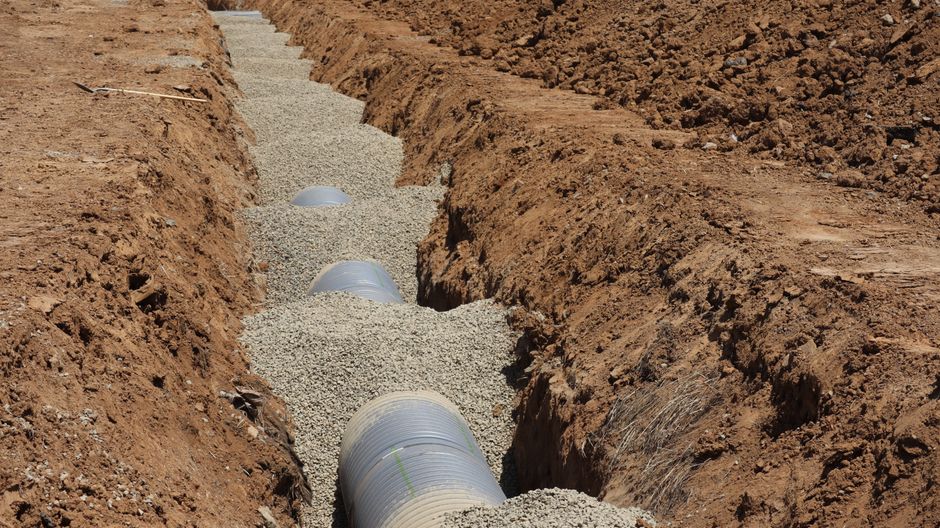
Drainage fix project by Stockwell gardeners: a practical guide to solving soggy gardens, pooling water, and long-term damage
If your garden turns spongy after every downpour, or the patio stays wet for days with that faint earthy smell of trapped water, you already know the problem. A Drainage fix project by Stockwell gardeners is not just about digging a channel and hoping for the best. It is about reading the garden properly, finding where water is getting stuck, and building a solution that actually lasts through a British winter and those sudden summer cloudbursts, too.
In Stockwell, where many gardens sit between hard surfaces, walls, fences, and older soil conditions, drainage problems can appear in oddly specific ways: water sitting near steps, lawn areas that never dry, borders that become slimy, or sheds and decking edges that start to suffer. This guide explains how drainage repair works, when it makes sense, what methods are commonly used, and how to avoid the mistakes that make the same issue return six months later. To be fair, drainage is one of those jobs people often only notice once it becomes a nuisance.
By the end, you will have a clear picture of the process, the trade-offs, the practical checks worth making, and the sensible next step if your garden has started acting more like a shallow pond than an outdoor space.
Why Drainage fix project by Stockwell gardeners Matters
Water should move through a garden in a controlled way. Simple enough, but many gardens do not behave that neatly. When drainage is poor, water lingers around roots, softens soil structure, encourages moss, and can even undermine paving, fences, and timber features. In a small London garden, the effects are often amplified because space is tight and there is less room for water to spread naturally.
A proper drainage fix project by Stockwell gardeners matters for three reasons. First, it protects the surface level areas you use every day, whether that is a lawn, a path, or a seating area. Second, it helps planting perform better, because roots need air as much as they need moisture. Third, it prevents a slow decline that can become expensive later. A wet patch today can become a sinking border, a failed lawn, or a damaged patio edge tomorrow.
There is also a comfort factor. Nobody wants muddy shoes by the back door every time it rains. And if you have ever stepped onto a lawn that feels like a wet sponge underfoot, you will know the slight sigh that follows. Not ideal.
Drainage is also closely tied to other garden improvements. For example, if you are already thinking about a landscaping refresh in Stockwell, it makes sense to sort water movement before installing new beds, new turf, or hard landscaping. Likewise, routine aftercare from garden maintenance in Stockwell helps keep channels, gullies, and soakaways from getting blocked by debris and leaf fall.
How Drainage fix project by Stockwell gardeners Works
The best drainage work starts with diagnosis, not with a spade. That sounds obvious, yet rushed jobs often fail because they treat the symptom rather than the cause. A garden can hold water for several different reasons: compacted soil, poor gradient, blocked outlets, clay-heavy ground, excess runoff from adjacent surfaces, or simply a garden layout that has never been designed to move water efficiently.
In practice, the process usually begins with a site check. The key questions are straightforward: where does water gather, how long does it stay there, what type of surface is affected, and what happens after heavy rain? You can learn a lot by watching the garden during wet weather, or by checking it a day later. If the same corner is still glossy and wet while everything else has dried, that is a clue.
After assessment, the fix might involve one or more of the following:
- improving the garden slope so water flows away from problem areas
- installing a French drain or similar sub-surface channel
- breaking up compacted ground and improving soil structure
- adding a soakaway or drainage route for excess water
- adjusting hard landscaping so water does not pool against paths or patios
- rebuilding edging or borders to stop run-off returning to the same spot
If the problem sits near paving, careful surface work may also be needed. In those cases, supporting tasks such as patio cleaning in Stockwell can help reveal whether algae, blocked joints, or surface build-up are contributing to the issue. It is not always the full answer, but sometimes it uncovers the real story under the grime.
A good drainage project also respects what the garden is already doing well. If the site has mature hedges, established borders, or a lawn that still has some life in it, the solution should work around those features rather than flattening them out. That balance matters more than people think.
Key Benefits and Practical Advantages
Good drainage is one of those improvements that looks quiet on paper but changes the feel of the whole space. The benefit is not just drier ground. It is a more usable garden, healthier planting, and less frustration after rain.
Here are the practical advantages most homeowners notice first:
- Less standing water near doors, paths, and seating areas
- Healthier plants and turf because roots are not suffocating in waterlogged soil
- Better garden access with fewer muddy patches and slippery surfaces
- Reduced structural wear on edging, fencing bases, decking supports, and hard surfaces
- Improved appearance, especially if moss, algae, and patchy lawn areas have become a problem
- More flexibility for future garden plans, such as re-turfing, planting, or adding a seating area
There is also a subtler benefit: confidence. Once drainage is fixed properly, you stop worrying every time rain is forecast. You can enjoy the garden instead of monitoring it like a suspicious puddle. That sounds small, but it is not.
If you are trying to build a more resilient garden overall, drainage ties neatly into broader maintenance habits. Articles like weatherproofing your garden with simple seasonal tips and keeping your garden in good shape through winter fit naturally alongside drainage planning because water management is a year-round job, not a once-and-done fix.
Expert summary: the best drainage solutions improve use, appearance, and plant health together. If one of those is missing, the project is probably under-specified.
Who This Is For and When It Makes Sense
This kind of project makes sense for a wide range of gardens, but it is especially relevant if you are dealing with recurring wet spots, compact urban plots, or spaces that combine planting with paving, decking, or lawns. Let's face it, Stockwell gardens often have to work hard in a limited footprint. That can create drainage headaches faster than people expect.
You may need drainage repair or improvement if:
- water pools after light or moderate rain and stays there for more than a day
- the same border or lawn area is always soggy, even in drier weather
- moss keeps returning on paths or hard surfaces
- plants are yellowing, wilting, or rotting at the base despite regular care
- the soil feels thick, sticky, or compressed underfoot
- a new patio, fence line, or decking area seems to be pushing water into another part of the garden
It also makes sense before a bigger redesign. If you are considering a broader update, a drainage fix can sit at the heart of the work rather than being tacked on afterwards. In some cases, it is the missing piece that makes a wider gardening services project in Stockwell actually succeed. There is no point laying fresh turf or replanting a border if the ground is going to waterlog again by October.
Homeowners, landlords, letting agents, and anyone preparing a property for sale can all benefit. So can households with children or pets, because muddy, slippery ground is simply less practical and less safe.
Step-by-Step Guidance
Here is a practical way to think about the drainage fix process. It is not the only sequence, but it is the one that keeps things sensible and avoids costly do-overs.
- Observe the problem in real conditions. Check the garden after rain, not just on a dry afternoon. Note where water collects, how long it remains, and whether it affects the lawn, borders, patio, or access points.
- Identify the source. Water may be entering from above, rising from below, or backing up from a compacted area. A garden can have more than one issue at once, annoyingly.
- Measure levels and gradients. Even a slight fall in the ground can change how water behaves. In a small garden, tiny changes matter a lot.
- Select the right solution. This could be soil improvement, regrading, a drain run, a soakaway, or a combination. The right answer depends on the layout and the scale of the issue.
- Protect nearby features. If you have planting beds, edging, or timber structures, they should be safeguarded during the work. If necessary, related tasks such as tree surgery in Stockwell may also be relevant where roots or heavy canopy cover are contributing to wet ground.
- Carry out the excavation or modification. This stage may involve lifting turf, removing compacted material, installing drainage aggregate, or creating a better run-off path.
- Test the flow. Before the job is considered done, the area should be checked to make sure water now moves where it should.
- Restore the surface. Turf, paving, borders, or gravel need to be put back neatly so the garden looks finished rather than patched together.
- Plan maintenance. A drainage fix lasts longer when leaves, silt, and debris are cleared regularly. It sounds obvious, but many problems return because no one keeps an eye on the outlets.
That sequence may look neat on paper. Real gardens are a bit messier, of course. A patch might uncover old rubble, a buried pipe, or a section of compacted soil that has been there for years. That is normal enough. The point is to adapt, not to force a one-size-fits-all solution.
Expert Tips for Better Results
The difference between an acceptable drainage job and a genuinely good one often comes down to the small decisions. You do not need to obsess over every detail, but a few habits make a big difference.
- Do not assume all wet ground is the same problem. Clay soil, run-off from paving, and poor slope all behave differently.
- Think about nearby materials. Decking, gravel, and paving each move water in their own way. A fix in one area can create a new problem somewhere else if the layout is not considered as a whole.
- Watch for root influence. Mature roots can change how water moves through the soil and may require careful handling.
- Use planting intelligently. Once the ground is improved, resilient planting can help keep soil stable. Ground covers are especially useful in tricky spots, and a piece like this guide to UK ground covers is a handy companion read if you are planning the aftercare.
- Allow for winter behaviour. A garden that seems fine in July may fail in November. Always test the solution with real seasonal weather in mind.
- Keep access in mind. Drainage features that are impossible to inspect or clear are a bit of a trap.
One practical observation from the field: the best results often come from combining drainage correction with light garden restructuring. A slightly raised bed here, a better edge there, maybe a more suitable planting choice. Small things, but they add up.
If you want the garden to stay easier to manage after the fix, it can also help to revisit your wider planting strategy. Resources such as budget-savvy, low-care gardening ideas can be useful when you want beauty without creating more maintenance headaches.

Common Mistakes to Avoid
Drainage repairs can go wrong in fairly predictable ways. The good news is that most of them are avoidable if you slow down and think the project through.
- Fixing only the visible puddle. If water is pooling, the issue may be elsewhere and simply showing up in the lowest point.
- Ignoring the slope. If the garden tilts the wrong way, water will keep finding the same spot.
- Installing a drain without checking an exit path. A drain that has nowhere to discharge is just a trench with ambitions.
- Compacting soil again during reinstatement. Heavy foot traffic or poor backfilling can undo the work.
- Forgetting maintenance access. Leaves, grit, and fine debris build up over time.
- Trying to cover drainage failure with more topsoil. That can make the problem worse by trapping water higher up.
Another mistake is over-engineering a simple issue. Sometimes the answer really is better soil structure and a modest grading tweak. Not every wet patch needs a dramatic intervention. Other times, people underplay the problem and hope drier weather will sort it out. Truth be told, hope is not much of a drainage strategy.
If your garden also has fencing close to the problem area, keep in mind that rotten posts, loose panels, or damp bases may be part of the same moisture pattern. A check on fencing in Stockwell can be sensible where persistent wet ground is affecting timber supports.
Tools, Resources and Recommendations
The exact tools needed will depend on the fix, but a drainage project usually relies on a mix of hand tools, measuring tools, and materials for moving water or improving soil structure. It is not glamorous, but it is practical work. And practical work usually wins.
Commonly useful items include:
- spades and digging forks
- rakes for levelling and reinstating soil
- string lines or simple level checks for gradient assessment
- barrow or bags for moving spoil
- gravel or drainage aggregate where appropriate
- perforated pipe or channel components for subsurface drainage
- soil improvers or organic matter to help structure compacted ground
- protective gloves and sturdy footwear
If drainage work is part of a broader makeover, it is worth thinking about the whole garden system. For example, a more open layout may help improve airflow and drying, while the right planting can reduce erosion and improve the look of repaired areas. If you are planning a larger refresh, a garden makeover approach can help you think beyond the immediate repair.
Practical recommendation: after a drainage fix, keep a note of how the garden behaves in the next three or four heavy rain events. That small record is often more useful than guesswork later on.
Law, Compliance, Standards, or Best Practice
Drainage work in a private garden is usually guided more by good practice than by complicated paperwork, but that does not mean compliance is irrelevant. In the UK, responsible garden and landscape work should consider safe digging, service avoidance, water run-off management, and respect for nearby boundaries and shared structures. If a project could affect neighbouring property, it needs a cautious approach.
Good practice normally includes checking for buried services before digging, avoiding uncontrolled discharge of water, and making sure any new feature does not create a nuisance for adjacent gardens or paths. If you are altering levels, the change should be done carefully so water does not simply move from one problem area into someone else's. That is the kind of thing that can cause friction fast.
There is also a safety side. Wet gardens can become slip hazards, especially around patios, steps, and timber features. If the drainage fix involves excavation, deeper channels, or changes near trees and roots, proper risk awareness matters. A conscientious provider will also take account of site safety, working methods, and post-work stability. Supporting documents such as insurance and safety information and the broader health and safety policy are useful signals that the work is being handled with care.
Best-practice note: if a drainage proposal sounds too simple for a stubborn waterlogging issue, ask what the water is actually doing and where it will go next. That question alone weeds out a lot of weak plans.
Options, Methods, or Comparison Table
Different drainage problems call for different approaches. This quick comparison should help you understand how the main options tend to differ in practice.
| Method | Best for | Strengths | Limitations |
|---|---|---|---|
| Soil improvement | Minor to moderate water retention | Simple, improves plant health, works well in borders | May not solve severe pooling on its own |
| Regrading / levelling | Surface water sitting in low spots | Redirects water naturally, often long-lasting | Needs careful planning and surface reinstatement |
| French drain | Persistent wet patches and sub-surface saturation | Strong solution for recurring drainage issues | More invasive, requires proper installation and exit planning |
| Soakaway | Managing excess water in suitable ground | Useful where water needs a controlled dispersal point | Not ideal everywhere, depends on site conditions |
| Surface channel | Patios, paths, and paved areas | Quickly captures run-off from hard landscaping | Can be visually noticeable if not integrated well |
A simple rule of thumb: the more structural the problem, the more structural the fix usually needs to be. That does not mean you should jump to the biggest intervention immediately. It means you should match the method to the actual issue, not the annoyance level of the week.
Case Study or Real-World Example
Imagine a Stockwell back garden with a small lawn, a narrow side return, and a patio area that always stays damp after rain. The homeowner notices moss spreading along the paving joints and a patch of turf that has turned thin and tired near the fence line. Every winter, the same corner gets worse. By spring, it has become a soft, muddy spot that the family keeps stepping around.
The fix in a case like this would usually begin with a site assessment and a check on levels. The garden may be holding water because the patio edge is slightly too high, the lawn base is compacted, and the fence line is sitting in a low pocket. Instead of lifting everything at once, the work might combine a modest level adjustment, better drainage routing at the lowest point, and some soil improvement where the lawn has become dense and airless.
After the main fix, the surfaces are restored and the lawn is reseeded or repaired. The planting area is then adjusted to tolerate the new conditions better, and the homeowner is advised to keep an eye on leaf fall and surface debris. A few weeks later, after a proper rain, the difference is not flashy, just satisfying. The wet patch clears faster, the patio feels less slippery, and the lawn begins to recover. That is a win.
In a slightly different project, the drainage issue may sit alongside wider garden tidy-up work, so pairing it with lawn care in Stockwell or even a broader maintenance visit makes sense. It keeps the repair from becoming an isolated patch job.
Practical Checklist
Use this checklist before starting or commissioning a drainage fix project. It keeps the job grounded and stops the usual oversights.
- Check the garden after rain and note exactly where water sits
- Identify whether the issue affects lawn, patio, borders, or access paths
- Look for compacted soil, poor slope, or blocked run-off points
- Think about nearby structures such as fences, decking, and sheds
- Consider whether trees, roots, or heavy shade are contributing factors
- Decide whether the problem is surface-based, sub-surface, or both
- Choose a fix that matches the actual cause, not just the visible puddle
- Plan for reinstatement so the garden finishes neatly
- Allow for future maintenance and easy inspection
- Review how the area behaves after the first few heavy rainfalls
If you are also improving the look and function of the space, you might like to plan planting and screening around the drainage solution. Some gardens benefit from a more structured feel, and a thoughtful bit of wind reduction planning can also help the area dry and settle more evenly.
Conclusion
A well-planned drainage fix project by Stockwell gardeners is really about restoring balance. The garden should move water predictably, protect the surfaces you rely on, and give planting a fair chance to thrive. When that happens, the whole space feels calmer. Less muddy. Less fragile. More usable, even when the weather is doing its usual London thing.
The strongest drainage work does not just hide water; it gives it somewhere sensible to go. That is the difference between a quick patch and a proper fix. If your garden has become wet, tired, or awkward to use, there is usually a practical route forward. It may be small, it may be structural, or it may be a bit of both. But it is rarely hopeless.
Get a free quote today and see how much you can save.
And if you take only one thing from this guide, let it be this: sort the water first, and the rest of the garden becomes much easier to love.

Known for his organizational prowess and meticulous attention to detail, Matthew is a skilled professional gardener. His expertise as an author has positively impacted the enjoyment of magnificent gardens for many.