Courtyard revamp case by Stockwell gardeners Larkhall Park
Posted on 10/10/2026
If you are looking at a tired courtyard and wondering how it could possibly become a space you actually want to use, you are in the right place. This Courtyard revamp case by Stockwell gardeners Larkhall Park explores how a compact outdoor area can be reworked into something cleaner, calmer, and far more useful without losing the character that makes it feel local and lived-in.
Courtyards are often small, shaded, awkwardly shaped, or exposed to a bit of everything at once. One minute it feels like a forgotten passageway; the next, you can see the bones of a really good space. The trick is knowing what to change first, what to leave alone, and how to make the whole thing feel intentional rather than patched together. That is what this guide is for.
Below, you will find a practical breakdown of why this kind of revamp matters, how the process usually works, what benefits to expect, and which mistakes tend to make a small garden feel even smaller. There is also a comparison table, a checklist, and a realistic example of how a courtyard transformation can come together in stages. Nothing overblown. Just solid, useful advice.
Why Courtyard revamp case by Stockwell gardeners Larkhall Park Matters
A courtyard revamp matters because small spaces live or die by planning. A few poor choices can make them feel cramped, gloomy, or difficult to maintain. On the other hand, a thoughtful redesign can turn a patch of paving, brick, or concrete into a space that feels welcoming from the first step outside.
That is especially true in London homes and shared properties near places like Larkhall Park, where outdoor space often has to do several jobs at once. It may need to be a sitting area, a visual feature, a plant display, a practical route to bins or side access, and a place that stays tidy in changeable weather. Not exactly a small ask, is it?
What makes this case interesting is that courtyard work is rarely just about planting. It often involves hard landscaping, drainage awareness, cleaning, screening, edging, and a smart planting scheme that can cope with shade, wind, and reflected heat from walls. The best revamps balance beauty with everyday use.
For homeowners, landlords, and managing agents, the value is straightforward: better first impressions, better usability, and less ongoing frustration. A good courtyard also tends to feel more private and more calm. That matters more than people think. A space you enjoy looking at every day quietly improves how the whole property feels.
For anyone thinking beyond the basics, you might also want to explore broader garden planning ideas in this garden makeover guide and practical low-effort ideas from these budget-savvy gardening hacks.
How Courtyard revamp case by Stockwell gardeners Larkhall Park Works
A successful courtyard revamp usually follows a sequence, even if the finished space looks effortless. In practice, the work starts with observation. Where does water sit after rain? Which corners stay shaded? Which surfaces are dirty, slippery, or just visually heavy? What feels useful, and what feels like dead space?
Once those questions are answered, the plan becomes easier. The surface may need cleaning or resurfacing. The layout may need loosening up so the courtyard feels wider. Planting can then be chosen to suit light levels, maintenance preferences, and the style of the home. In small gardens, every inch has a job to do, so each decision matters.
A courtyard revamp often includes some combination of the following:
- surface cleaning or repair
- better drainage or water run-off management
- planter placement for structure and softness
- screening for privacy
- seating or a compact nook
- lighting, edging, or decorative detail
- weed control and easier maintenance access
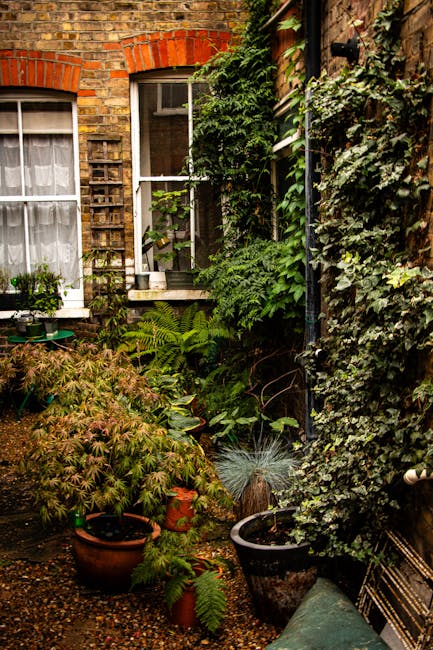
In a place like Stockwell, where properties can be closely packed and courtyards are often partially enclosed, privacy and shade management matter just as much as planting style. A few well-chosen climbers, trellis panels, or vertical features can change the feel of the whole area without swallowing valuable floor space.
If the aim is to keep the courtyard usable through the seasons, weatherproofing is part of the picture too. Slip-resistant cleaning, frost-aware planting, and sensible materials all help. For a deeper look at that side of things, see these simple weatherproofing tips.
Key Benefits and Practical Advantages
The strongest reason to invest in a courtyard transformation is not just appearance. It is how the space starts working for you. A well-planned revamp can make a small outdoor area feel more spacious, easier to maintain, and genuinely more enjoyable to use. That sounds simple, but it changes daily life more than most people expect.
Here are the main advantages.
- Better use of limited space: Clean lines, smart zoning, and vertical interest can make a compact courtyard feel larger.
- Improved privacy: Screening, hedging, and layered planting reduce the feeling of being overlooked.
- Lower maintenance: The right materials and planting choices can reduce weeds, mess, and constant tinkering.
- More year-round appeal: Evergreens, structure, and containers keep the space from looking empty in winter.
- Safer underfoot: Better surfaces and cleaning reduce slip risks and general wear.
- Stronger property presentation: A smart courtyard lifts kerb appeal and creates a better first impression for visitors or tenants.
There is also a psychological benefit. A courtyard that feels organised and inviting encourages you to use it. You notice the morning light on the wall. You sit outside with a coffee. You stop ignoring the space. That is the bit people usually want, even if they start by saying they just want "something low maintenance". Fair enough, that is usually the real brief.
For a more sustainable approach, the article on sustainable gardening practices is a useful companion read, especially if you want the revamp to look good and stay responsible over time.
Who This Is For and When It Makes Sense
This kind of project suits a wide range of people, not just homeowners with a design vision and a stack of garden catalogues. In reality, it is often the practical thinkers who get the most out of a courtyard revamp.
You may be a good fit if you:
- have a courtyard that feels underused, cluttered, or plain tired
- want a cleaner outdoor space without committing to high maintenance
- need privacy from neighbouring windows or adjacent homes
- want to make a rental or shared property more attractive
- are dealing with shade, damp, or awkward corners
- need a smarter layout for seating, plants, or storage
- are planning a broader garden refresh and want to start small
It also makes sense when the courtyard has inherited problems: old paving, patchy planting, constant weeds, or a layout that never really worked in the first place. Those are the spaces where a revamp pays off quickly because you are solving a real usability issue, not just decorating for the sake of it.
For landlords and property managers, the logic is even clearer. A neat, practical courtyard can reduce complaints, improve tenant satisfaction, and prevent neglect from becoming expensive later. A little care now often prevents a bigger headache later. Truth be told, that is half of gardening.
If you are not sure whether your space needs a full redesign or just better routine care, have a look at garden maintenance in Stockwell and landscaping support in Stockwell to see how different levels of input can solve different problems.
Step-by-Step Guidance
A courtyard revamp works best when it is approached in stages. Rushing straight to planting often leads to expensive fixes later. A more measured process usually gives cleaner results and fewer surprises.
- Assess the existing space. Look at the courtyard in daylight and after rain if possible. Note shade, drainage, access points, and problem surfaces.
- Define the purpose. Decide whether the space is mainly for seating, planting, visual improvement, privacy, or a mix of all four.
- Clear and clean. Remove dead plants, debris, unwanted pots, moss, and anything that clutters the line of sight.
- Deal with the hardscape. Repair, clean, or replace damaged paving, edging, and any timber or decking features.
- Plan structure first. Use walls, trellis, planters, screens, and feature pots to create the basic framework before thinking about colour.
- Choose plants for the conditions. Shade-loving, drought-tolerant, evergreen, or seasonal plants should match the space rather than fight it.
- Add one or two focal points. A bench, a statement planter, or a vertical feature gives the courtyard a clear centre of gravity.
- Finish with practical details. Lighting, mulch, hose access, storage, and weed barriers make the design usable day to day.
A useful rule is to begin with the least forgiving parts of the courtyard. If the paving is dirty or the drainage is poor, sort that first. Plants can disguise a lot, but they cannot fix a slippery surface or a standing puddle. Well, not convincingly anyway.
For planting ideas that do not take over the floor area, vertical gardening ideas can be surprisingly effective in a courtyard, especially where space is tight and walls are available.
Expert Tips for Better Results
Good courtyard design is often about restraint. The temptation is to add one more pot, one more feature, one more colour. In a confined space, that can tip from charming into cluttered very quickly.
These are the habits that usually lead to better results:
- Keep the palette tight. Two or three material finishes often look calmer than six.
- Use height wisely. Slim vertical elements can make a courtyard feel taller without blocking light.
- Repeat shapes. Similar pots, repeated planting forms, or matching edging helps the design feel intentional.
- Think in layers. Low planting, mid-height structure, and one taller element create depth.
- Choose plants that behave. In small areas, aggressive spreaders can become a nuisance fast.
- Make maintenance easy. If you cannot reach it comfortably, it is probably going to get neglected.
One small but important detail: light reflection from pale walls and paving can be your friend. It can brighten dark courtyards, but it can also make delicate plants dry out faster than expected. So, yes, the sun does funny things in small spaces. Gardeners learn this the hard way sometimes.
For more ideas around privacy and screening, rapid-growth hedges for instant privacy can inspire planting choices that make sense along boundaries or wall edges.
If you want the courtyard to feel relaxing rather than merely neat, a few softer touches help: a simple seat, a quiet planting rhythm, or even a more meditative arrangement informed by zen garden principles.
Common Mistakes to Avoid
Courtyard revamps often go wrong in predictable ways. The good news is that most of them are avoidable once you know what to watch for.
- Overcrowding the space: Too many pots or oversized features make a courtyard feel boxed in.
- Ignoring drainage: Pretty surfaces are not much use if water pools across them.
- Choosing the wrong plants: Sun-loving plants in shade, or thirsty plants in hot, reflective corners, will struggle.
- Using mixed styles without a plan: Random materials and colours can make the space feel disjointed.
- Forgetting year-round structure: If everything depends on summer flowers, the courtyard can look bare for half the year.
- Making maintenance awkward: Fiddly access, deep narrow borders, and unreachable corners become regrets later.
Another common issue is neglecting boundaries. In enclosed courtyards, bare walls or plain fences often dominate the view. A little screening, climbing planting, or timber detailing can soften that effect. If you are considering enclosing or refreshing the perimeter, fencing options in Stockwell may be part of the wider conversation.
And please, do not forget the boring stuff. The "boring stuff" is often the reason the nice bits still look good a year later. That includes surface care, weed control, and regular tidying, especially in weather that turns mossy and damp at the drop of a hat.
Tools, Resources and Recommendations
You do not need a van full of specialist kit to improve a courtyard, but the right tools make the work faster, cleaner, and less frustrating. A lot less frustrating, actually.
Helpful tools and materials often include:
- stiff broom and outdoor brush
- pressure or jet washer used carefully on suitable surfaces
- hand fork, trowel, and secateurs
- weed scraper or patio knife
- quality compost and mulch
- frost-friendly containers or planters
- trellis, ties, or climbing supports
- simple outdoor lighting where appropriate
For people who prefer a lower-care route, it helps to focus on robust materials and easy plants rather than chasing trend-led features. The article on UK ground covers is useful if you want to reduce bare soil and keep weeding under control.
Other useful reads include expert insights on creating a weed-free environment, which is especially relevant in paved or partly paved spaces, and container gardening ideas if your courtyard needs flexible planting.
If you are working toward a more sustainable finish, you may also find soil-building from waste helpful when planning compost use and plant health.
Law, Compliance, Standards, or Best Practice
For a courtyard revamp, the main compliance considerations are usually practical rather than dramatic. If work involves structural changes, drainage adjustments, electrical lighting, shared access, or substantial boundary alterations, it is sensible to check permissions, ownership responsibilities, and any leasehold or managing-agent rules before starting.
In everyday garden work, best practice usually means keeping things safe, tidy, and suitable for the site. That includes:
- using equipment safely and maintaining clear access routes
- avoiding trip hazards from loose paving, cables, or uneven finishes
- handling waste responsibly
- being careful with pressure washing on older or sensitive surfaces
- choosing materials that suit outdoor exposure rather than fighting it
In a shared or residential setting, it is also wise to think about noise, timing, and neighbour awareness. A courtyard revamp may be small, but it still affects the people living around it. That is just part of working in close urban spaces.
For reassurance on business standards and site practices, readers can review insurance and safety information, health and safety policy details, and the team's about us page. If you are comparing options, it also helps to understand terms and conditions, privacy policy, and payment and security processes before work begins.
Options, Methods, or Comparison Table
Not every courtyard needs the same approach. Some spaces need a cosmetic tidy-up. Others need a full rethink. The table below gives a simple comparison of common revamp methods.
| Method | Best for | Typical strengths | Watch-outs |
|---|---|---|---|
| Surface refresh only | Courtyards that are structurally fine but look tired | Quick visual improvement, lower disruption | Won't solve layout or privacy issues |
| Soft landscaping focus | Spaces that need warmth, planting, and seasonal interest | Easier to personalise, can soften hard edges | Needs sensible plant selection and maintenance |
| Hard landscaping upgrade | Courtyards with poor paving, awkward levels, or drainage concerns | Strong long-term impact, improves usability | Higher cost and more planning |
| Privacy-led redesign | Overlooked or exposed courtyards | Makes the space feel calmer and more enclosed | Can reduce light if overdone |
| Low-maintenance scheme | Busy households, rentals, or shared outdoor areas | Less ongoing upkeep, cleaner appearance | Needs a careful balance so it doesn't feel sparse |
In many real-world cases, the best answer is a combination. A cleaned surface, a couple of durable planters, and a good vertical element can achieve far more than a complete overhaul that ignores the space's natural limitations. There is no prize for doing the most; there is a prize, if anything, for doing the right amount.
Case Study or Real-World Example
Here is a realistic example based on the kind of courtyard project people often bring to gardeners in Stockwell and around Larkhall Park.
A compact rear courtyard had become a catch-all for odds and ends. The paving was dark with dirt and moss. One wall was bare and the whole space felt narrow, even though the footprint itself was usable. The owners wanted somewhere to sit in the evening, but they did not want a high-maintenance garden that would quickly slide back into clutter.
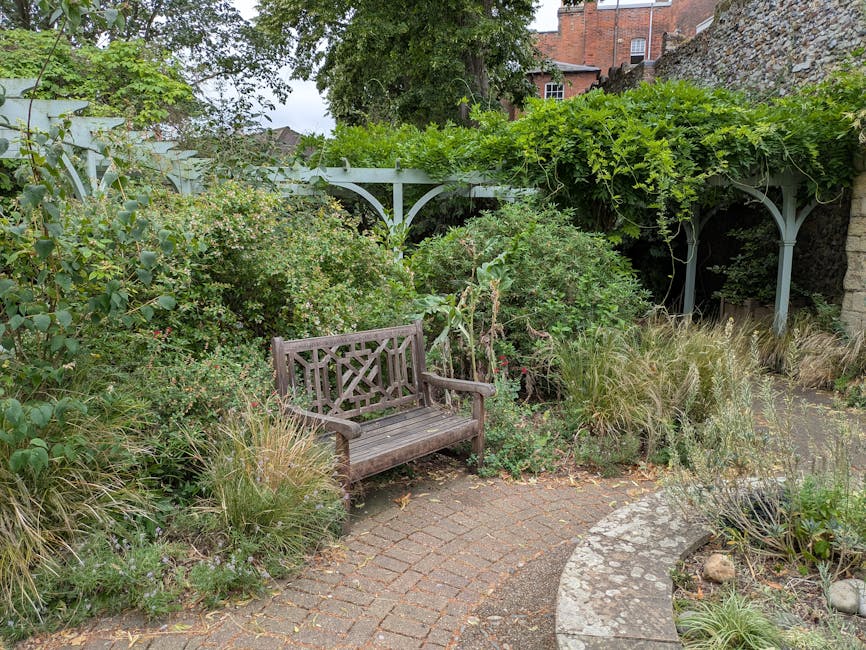
The revamp started with a proper clear-out. That alone changed the feel of the space. The paving was then cleaned, and the darkest patches were treated carefully to restore a more even finish. A simple seating area was introduced in one corner rather than trying to centre the whole layout. That left the middle open, which made the courtyard feel calmer and wider.
Next came the structure. A climbing frame on one wall, a set of matching containers, and a few evergreen plants gave the courtyard year-round shape. Small pockets of colour were added without overpowering the design. The result was not flashy, and that was the point. It looked like a space that belonged to the property, not a showroom.
What made the difference was restraint and sequence. The team focused first on the things that affected usability, then on the visual layers. By the end, the courtyard felt like a proper outdoor room. Quiet, practical, and surprisingly generous for its size.
If that kind of transformation sounds close to what you need, a broader gardening services approach may suit you better than tackling each element separately.
Practical Checklist
Use this quick checklist before starting a courtyard revamp or before asking a professional to assess the space.
- Have you identified the main purpose of the courtyard?
- Do you know which areas are shaded, wet, exposed, or overlooked?
- Have you checked for weeds, moss, damaged paving, or drainage problems?
- Do you want seating, planting, screening, or all three?
- Have you chosen plants that suit the light and maintenance level?
- Are the materials appropriate for outdoor weathering?
- Is there a clear path for access, cleaning, and routine upkeep?
- Have you considered privacy from neighbours or adjacent windows?
- Do you need support with fencing, decking, or boundary features?
- Have you thought about winter appearance as well as summer colour?
Expert summary: The best courtyard revamps are usually the simplest ones that solve real problems first. Sort the ground, define the structure, then layer in planting and detail. If you get that order right, the space will feel better immediately and stay easier to live with.
Conclusion
A courtyard revamp is one of those projects that looks small on paper but changes the way a property feels every single day. In the context of the Courtyard revamp case by Stockwell gardeners Larkhall Park, the real value lies in turning a constrained outdoor area into something calm, tidy, and genuinely usable. That means respecting the space rather than forcing it into a style that does not fit.
Whether you want privacy, cleaner surfaces, better planting, or a more welcoming place to sit with your morning tea, the same principles apply: plan carefully, use durable materials, match plants to conditions, and keep maintenance realistic. Do that, and even a small courtyard can become one of the best parts of the home.
Get a free quote today and see how much you can save.
And if you are standing in your own courtyard right now, maybe looking at the same awkward corner for the hundredth time, take heart. The good spaces are often already there. They just need a clearer hand and a bit of attention.

Known for his organizational prowess and meticulous attention to detail, Matthew is a skilled professional gardener. His expertise as an author has positively impacted the enjoyment of magnificent gardens for many.